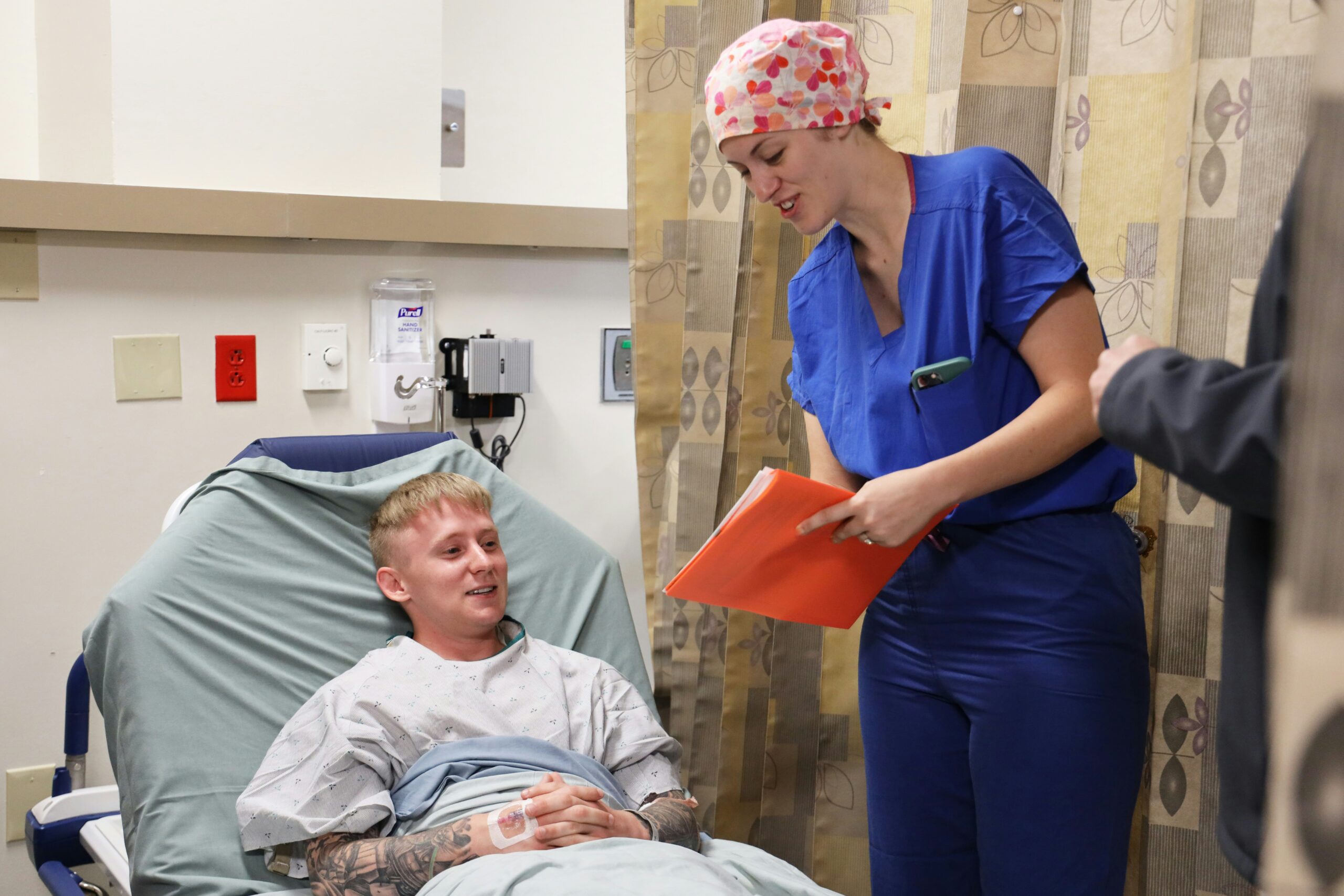
Patient care continues to evolve as healthcare professionals gain more experience, confidence, and insight. While education is the starting point for every clinician, professional experience helps turn skilled providers into exceptional ones. Experience shapes judgment, strengthens communication, and improves clinical precision. It also deepens empathy, which plays a major role in creating meaningful patient relationships. As professionals grow over time, they learn how to deliver care that is safer, smoother, and more centered on each patient’s needs. This combination of knowledge and experience supports better outcomes and enhances the overall care experience.
Developing exceptional care does not happen overnight. It requires years of learning from patients, colleagues, and real-world challenges. Each interaction teaches something new. With every lesson, healthcare professionals sharpen their abilities and gain a clearer understanding of what patients need most. This article explores how professional experience transforms standard care into exceptional care, and why experience remains one of the most valuable assets in healthcare.
How Experience Strengthens Clinical Skills
Clinical skills are the core of patient care and grow significantly through hands-on experience. Although training introduces the basics, repeated practice helps clinicians master tasks such as assessments, procedures, and treatment techniques. As they gain experience, they work more confidently and efficiently. They develop the ability to recognize signs others may overlook, leading to more accurate diagnoses and faster treatment decisions.
Experience also teaches providers how to adjust their techniques based on patient needs. For example, a procedure that works well for one patient may not be suitable for another. Experienced clinicians know how to make these adjustments smoothly. Because of this adaptability, patients receive care that is both safe and personalized. The more experience a provider has, the more intuitive and precise their clinical skills become, which helps create exceptional patient care.
The Role of Experience in Better Decision Making
Decision-making in healthcare often requires quick thinking and strong judgment. Experience plays an important role here, as it helps clinicians distinguish between urgent and routine concerns. As they see more cases, they become better at predicting outcomes and identifying complications before they escalate. This awareness improves patient safety and supports faster interventions.
Moreover, experience helps clinicians think beyond standard protocols. While guidelines are essential, real-life situations rarely fit into neat categories. Experienced professionals learn how to evaluate each patient individually and consider unique factors, such as lifestyle, emotional health, or cultural background. This ability to think critically and personalize care is a major step toward exceptional practice. It allows providers to create treatment plans that truly fit each patient, improving satisfaction and long-term outcomes.
Why Communication Improves With Experience
Clear communication is essential for improving patient care, and experience helps clinicians become better communicators. As they interact with diverse patients, they learn how to adjust their tone, pace, and explanations. They become more skilled at breaking complex information into simple terms. When patients understand their conditions, treatment options, and next steps, they feel more confident and engaged in their care.
Furthermore, experience teaches providers how to listen effectively. Patients often express their worries indirectly, and experienced clinicians learn how to recognize emotional cues. They respond with empathy and patience, which helps build trust. This emotional connection encourages patients to share important details and ask meaningful questions. Strong communication, supported by experience, leads to better patient relationships and improved outcomes.
Experience as a Key to Enhancing Patient Safety
Patient safety is central to quality care. Experience helps clinicians prevent errors and maintain safer environments. Since experienced providers have seen many procedures, treatments, and complications, they know how to avoid common mistakes. They follow safety protocols carefully and recognize early signs of potential problems. Their ability to anticipate risks enables faster interventions and greater patient protection.
Experience also improves safety by fostering calm, steady behavior. During emergencies, experienced clinicians remain focused. They know what to prioritize and how to communicate with the team. This calm leadership ensures that care continues smoothly, even in stressful situations. Patients benefit from this confidence and stability because it reduces fear and increases trust during difficult moments.
How Experience Strengthens Team Collaboration
Healthcare is a team effort, and experience helps professionals work more effectively with others. Over time, clinicians learn how to communicate clearly with nurses, technicians, therapists, and other providers. They understand each team member’s role and coordinate responsibilities effectively. This teamwork reduces delays and ensures that patients receive consistent care.
Experienced clinicians often become mentors within their teams. They guide newer staff members, answer questions, and share valuable lessons from their own careers. This mentoring helps raise the team’s skill level, improving patient care organization-wide. When teams function well together, patients enjoy smoother transitions between departments and more cohesive treatment plans. Teamwork, backed by experience, creates a system that keeps patients supported throughout their entire healthcare journey.
Personalizing Patient Care Through Experience
Exceptional care requires personalization, and professional experience helps clinicians tailor care to each patient. Experienced providers notice differences in how patients respond to treatment, communicate symptoms, and manage their health. They use these insights to adapt treatment plans, adjust communication styles, and offer support that feels genuine and individualized.
Personalized care also helps patients feel understood. When clinicians consider a patient’s lifestyle, cultural background, emotional needs, and personal goals, they create an environment where the patient feels respected. This respect encourages patients to take an active role in their treatment. As a result, they are more likely to follow recommendations, attend appointments, and maintain long-term health habits. Experience-driven personalization is one of the strongest steps toward exceptional patient care.