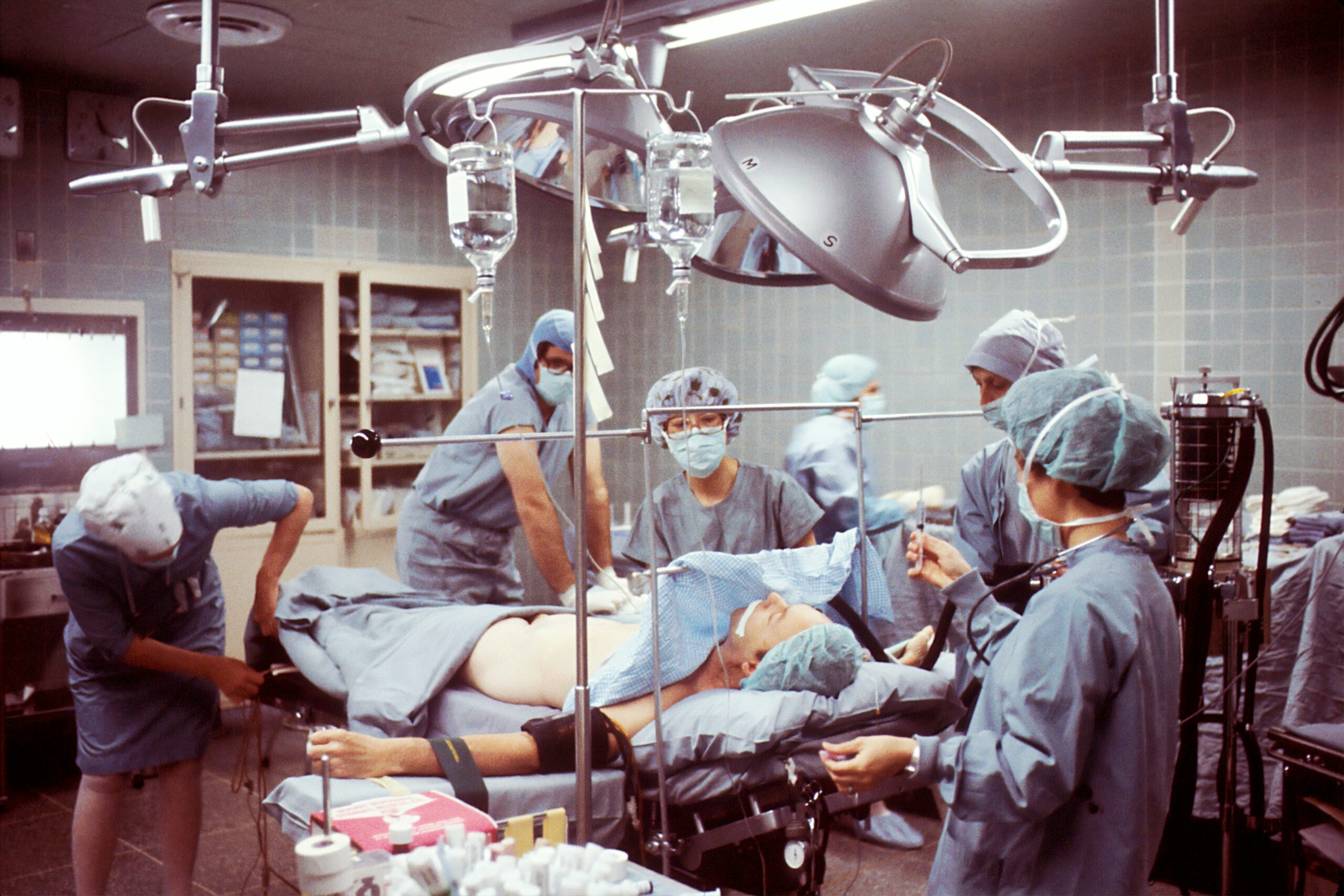
Healthcare has changed dramatically over the past two decades. Medical professionals have gained new knowledge, developed advanced treatments, and improved the way they support patients. These years of progress have taught valuable lessons about the importance of compassion, innovation, and continuous learning. Therefore, understanding the journey of modern medicine helps explain how healthcare can continue improving in the future.
Moreover, patient care has become more focused on individual needs rather than only treating symptoms. Doctors and healthcare teams now use experience, technology, and research to create better outcomes. As a result, the lessons learned from twenty years of medical development provide a strong foundation for building a healthier future.
The Evolution of Healthcare Through Two Decades
The last twenty years have brought major changes to the medical field. Healthcare professionals have improved their understanding of diseases, treatments, and patient needs. Therefore, experience gained over time has helped doctors make better decisions and provide more effective care. Every patient interaction has contributed to valuable knowledge that continues to improve medical practices.
Furthermore, healthcare has moved from traditional approaches toward more personalized care. Professionals now consider a patient’s lifestyle, medical history, and personal goals when creating treatment plans. As a result, patients receive care that focuses on their complete well-being. This change shows how medical progress continues to improve the relationship between providers and patients.
Lessons Learned From Years of Patient Care
Two decades of healthcare experience have shown that every patient requires attention, understanding, and respect. Medical professionals have learned that successful treatment depends on more than medical knowledge. Therefore, listening carefully and understanding patient concerns have become important parts of quality care.
Additionally, healthcare teams have learned the value of teamwork and communication. Doctors, nurses, specialists, and support staff must work together to provide consistent care. Consequently, strong collaboration helps prevent mistakes and improves patient experiences. These lessons continue guiding healthcare professionals as they face new challenges.
The Growing Importance of Patient-Centered Care
Modern healthcare places greater importance on understanding patients as individuals. Instead of focusing only on diseases, healthcare providers now consider emotional, physical, and personal factors. Therefore, patient-centered care has become a key part of improving health outcomes.
Moreover, patients today expect to participate in decisions about their own care. Healthcare professionals encourage open conversations and provide clear information about available options. As a result, patients feel more confident and involved in their treatment journey. This approach creates stronger trust and improves long-term healthcare relationships.
How Technology Changed Modern Medicine
Technology has transformed healthcare by making diagnosis, treatment, and communication more efficient. Over the past twenty years, digital tools have helped healthcare professionals access important information quickly. Therefore, technology has become an important part of improving accuracy and patient support.
Furthermore, advanced medical tools allow doctors to monitor conditions more effectively and provide faster responses. Digital health records, online consultations, and modern equipment have created new opportunities for better care. As a result, technology has helped healthcare teams deliver more connected and convenient services. However, professionals must continue balancing technology with human interaction.
The Role of Research and Innovation in Healthcare
Medical research has played a major role in improving patient care over the last two decades. Researchers have discovered new treatments, improved existing methods, and created better ways to understand health conditions. Therefore, research remains one of the strongest drivers of medical advancement.
In addition, innovation allows healthcare professionals to solve problems more effectively. New ideas and improved techniques help doctors provide safer and more successful treatments. Consequently, continuous research creates opportunities for better patient outcomes. As medicine continues to develop, innovation will remain essential for future healthcare improvements.
Improving Communication Between Patients and Providers
Effective communication has become one of the most important lessons in modern healthcare. Patients need clear explanations about their conditions, treatments, and recovery plans. Therefore, healthcare professionals must communicate in ways that are simple, respectful, and easy to understand.
Moreover, strong communication builds trust between patients and providers. When patients feel heard, they become more comfortable sharing important information about their health. As a result, healthcare teams can make better decisions and provide more personalized support. Good communication creates a stronger connection that improves the entire care experience.
Preparing Healthcare for Future Challenges
The future of healthcare will require professionals to remain flexible and open to change. New diseases, technologies, and patient expectations will continue shaping the medical field. Therefore, healthcare providers must continue learning and adapting to maintain high-quality care.
Furthermore, future healthcare systems will need stronger connections between technology, research, and human compassion. Medical professionals must use new tools while keeping patients at the center of every decision. Consequently, the future of healthcare depends on combining innovation with the lessons learned from past experiences.
Building a Better Future Through Medical Experience
The knowledge gained from two decades in medicine provides valuable guidance for future healthcare improvements. Experience has shown that successful patient care requires dedication, communication, and continuous growth. Therefore, medical professionals must continue using these lessons to create stronger healthcare systems.
Additionally, the future of patient care depends on maintaining a balance between advanced solutions and personal connection. Technology can support healthcare, but compassion remains essential. As a result, combining medical progress with human understanding will help create better experiences for patients worldwide.
Two decades of medical progress have created important lessons about improving patient care. Healthcare has become more advanced, personalized, and focused on patient needs. Therefore, the future of medicine will continue building on the knowledge gained through years of experience, research, and innovation.
As healthcare continues to evolve, professionals must remain committed to learning and improving. By combining technology, communication, and compassion, medical teams can continue creating meaningful changes in patient care. The lessons of the past twenty years will guide the next generation of healthcare improvements and support a healthier future for everyone.