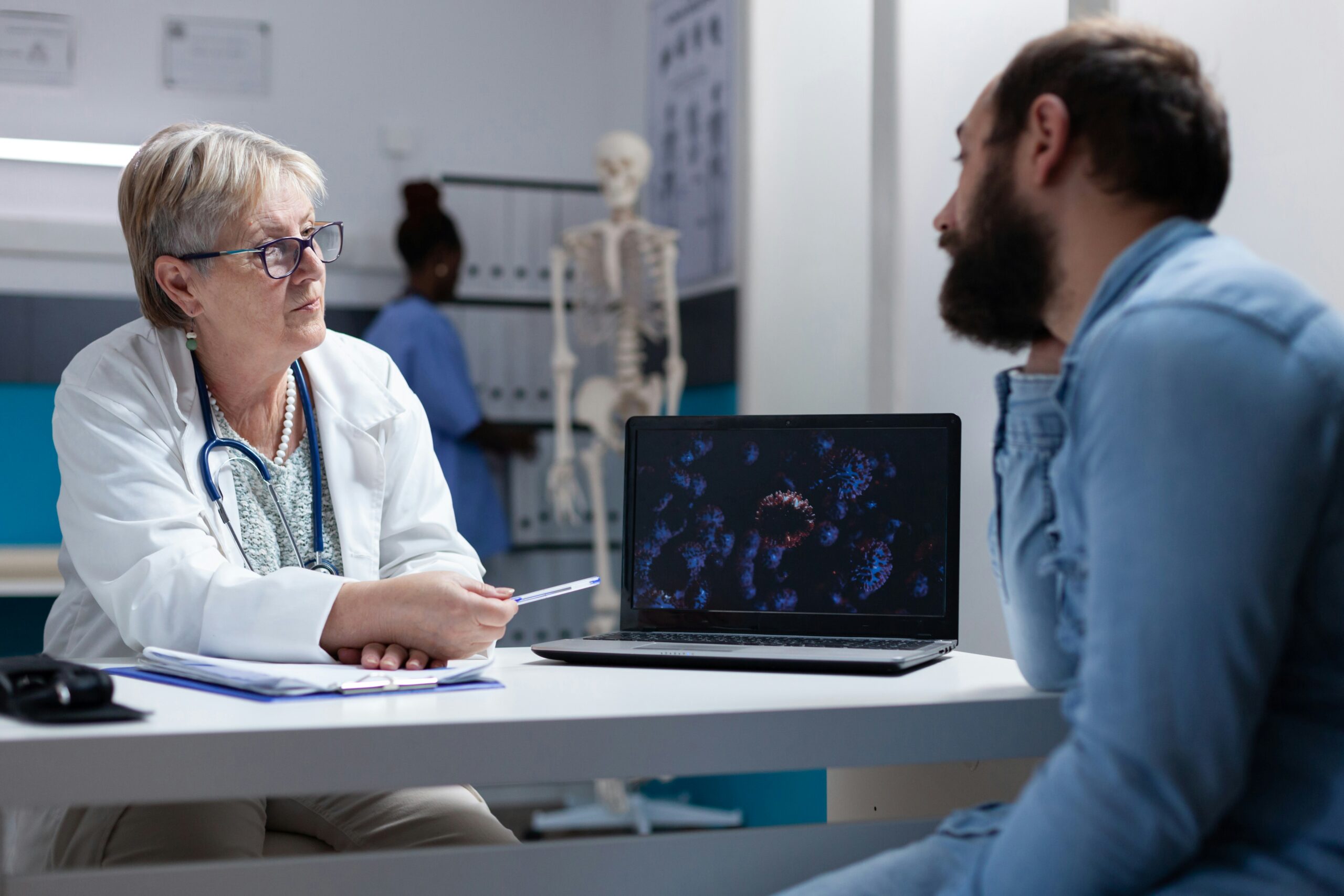
Cancer treatment has changed greatly over the years. Doctors once had limited options when helping people fight this disease. Today, new research is developing better ways to detect cancer early, understand its causes, and deliver more effective care. Scientists and medical teams continue to discover new methods that improve survival and quality of life.
The future of cancer treatment depends on steady research and new ideas. Modern studies help doctors understand how cancer grows and how each person may respond differently to care. These discoveries are opening the door to safer treatments, faster recovery, and more personalized support for patients.
Research Is Creating New Hope for Cancer Patients
Cancer research has helped doctors move beyond older treatment methods. In the past, many treatments affected both healthy and cancerous cells. Researchers are now focusing on developing approaches that target cancer more precisely while protecting the body. This change helps reduce unwanted effects and improves patient comfort.
Medical teams continue to study how cancer develops inside the body. They look at changes that allow cancer cells to grow and spread. This knowledge helps them create better treatments that match the needs of individual patients. As research grows, doctors gain more tools to fight different forms of cancer.
Personalized Care Is Changing Cancer Treatment
Every person’s cancer experience is different. A treatment that works well for one patient may not work as well for another. Researchers are developing more personalized care plans that consider a person’s unique health needs and the specific features of their cancer.
This approach allows doctors to make better decisions before starting treatment. They can use information from tests and research to choose options that offer the best chance of success. Personalized care also helps reduce unnecessary treatments and gives patients a clearer path forward.
Early Detection Can Save More Lives
Finding cancer early remains one of the most important goals in medical research. When doctors discover cancer before it grows or spreads, patients often have more treatment choices. Researchers are developing improved screening methods to identify warning signs earlier.
New tools are helping doctors detect changes that may not be apparent with traditional methods. These improvements can lead to faster action and better outcomes. Early detection research continues to give more people a stronger chance of successful treatment.
New Technology Is Supporting Medical Progress
Technology plays a major role in the future of cancer care. Researchers use advanced tools to study cancer cells, understand patterns, and improve treatment decisions. These tools help medical teams work with more accuracy and confidence.
Artificial intelligence and advanced computer systems are also helping researchers review large amounts of medical information. These systems can help identify trends that humans may miss. While doctors remain at the center of care, technology provides them with additional support in making important decisions.
Immunotherapy Is Opening New Treatment Possibilities
Researchers are exploring ways to help the body defend itself against cancer. Some newer treatments help the immune system recognize and attack cancer cells. This area of research has created new opportunities for patients who may not respond well to traditional treatments.
Scientists continue to study how the body’s natural defenses can become stronger against cancer. They are working to make these treatments safer and more effective. As research improves, more patients may benefit from treatments that work with their own immune systems.
Cancer Research Is Improving Patient Experiences
Medical breakthroughs are not limited to fighting cancer. Researchers also work to improve the overall experience for patients during treatment. Better care includes reducing discomfort, supporting emotional health, and helping people maintain daily activities.
Doctors and researchers understand that cancer affects more than the body. It can impact families, careers, and personal goals. New approaches aim to provide complete support that helps patients feel stronger throughout their journey.
Global Collaboration Is Speeding Up Discoveries
Cancer research requires teamwork across the world. Scientists, doctors, hospitals, and research centers share knowledge to find better solutions. This cooperation helps discoveries reach patients faster and encourages fresh ideas from different experts.
Clinical studies also play an important role in improving treatment. Researchers test new methods carefully to understand their benefits and risks. These efforts help ensure that future treatments are safe, reliable, and useful for many people.
The Future of Cancer Treatment Looks More Promising
The future of cancer treatment will continue to grow through research and innovation. Scientists are finding new ways to understand cancer and create better solutions. Each discovery brings new hope to patients and families affected by this disease.
Although challenges remain, medical progress continues at a strong pace. Researchers are working toward treatments that are more effective, less harmful, and easier for patients to manage. The next generation of cancer care will likely focus on prevention, early action, and treatments designed around each person’s needs.