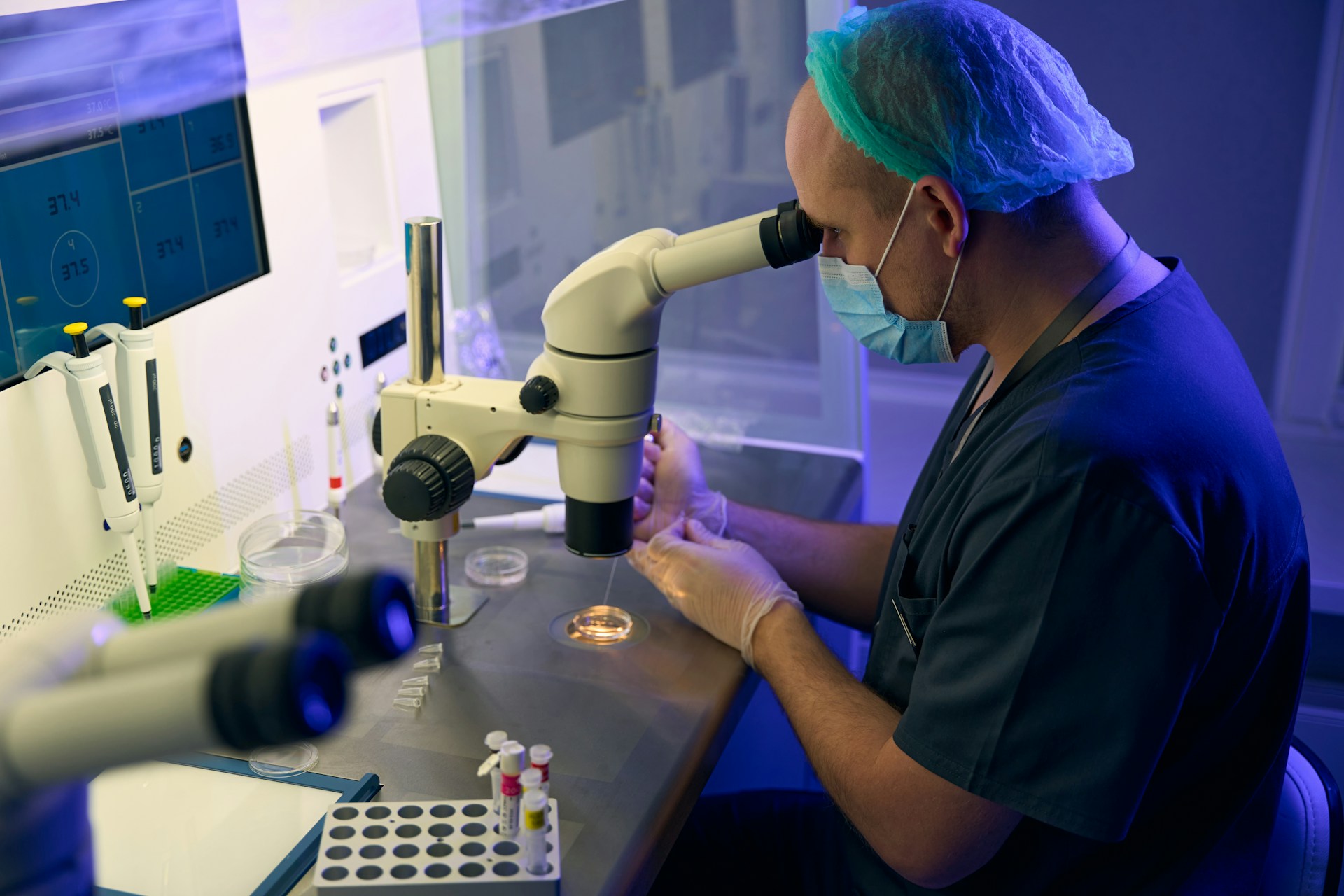
Cancer research continues to evolve rapidly, bringing new hope to patients and healthcare providers worldwide. Scientists and medical experts are working tirelessly to understand cancer at a deeper level and develop more effective treatments. As a result, modern oncology research now focuses on precision, innovation, and patient-centered care. From the beginning, advances in precision oncology have transformed how doctors diagnose and treat cancer, offering more targeted and personalized solutions.
Understanding the Progress in Oncology Research
Over the past few decades, oncology research has made remarkable progress. Researchers have moved from traditional treatment methods to more advanced approaches that target cancer at the molecular level. This shift has improved survival rates and reduced side effects for many patients.
At the same time, new technologies have played a major role in these advancements. Tools such as genetic sequencing and advanced imaging allow scientists to study cancer cells more closely. As a result, researchers can identify specific mutations and develop treatments that directly target them. This progress has laid the foundation for more precise and effective cancer care.
Breakthroughs in Targeted Therapy
Targeted therapy has become one of the most significant breakthroughs in oncology. Unlike traditional treatments that affect both healthy and cancerous cells, targeted therapies focus on specific molecules involved in cancer growth. This approach improves treatment effectiveness while minimizing damage to healthy tissue.
Moreover, targeted therapies continue to evolve. Researchers are discovering new targets and developing drugs that address different types of cancer. As a result, patients now have more treatment options than ever before. These advancements are changing the way cancer is treated and improving patient outcomes.
Advancements in Early Detection
Early detection is critical in improving cancer survival rates. When cancer is found early, treatment is often more effective. Researchers are developing new screening methods that can detect cancer at its earliest stages.
For example, liquid biopsies allow doctors to detect cancer through a simple blood test. This method is less invasive and can identify cancer before symptoms appear. Furthermore, advances in imaging technology provide clearer and more accurate results. These innovations help doctors diagnose cancer earlier and begin treatment sooner.
Personalized Medicine in Oncology
Personalized medicine has transformed the way cancer is treated. Instead of using a one-size-fits-all approach, doctors now tailor treatments based on a patient’s genetic profile. This method ensures that each patient receives the most effective therapy for their specific condition.
Additionally, personalized medicine reduces the risk of unnecessary treatments. By understanding how a patient’s body responds to certain therapies, doctors can avoid ineffective options. This approach improves both patient outcomes and quality of life. As a result, personalized medicine has become a cornerstone of modern oncology.
The Role of Artificial Intelligence in Cancer Research
Artificial intelligence is playing an increasingly important role in oncology. AI systems can analyze large amounts of data quickly and accurately. This capability helps researchers identify patterns and make predictions that would be difficult for humans alone to achieve.
Moreover, AI supports early detection and treatment planning. It can assist doctors in diagnosing cancer and selecting the best treatment options. As technology continues to advance, AI will likely become an essential tool in cancer research and care.
The Rise of Immunotherapy
Immunotherapy represents another breakthrough in cancer treatment. This approach uses the body’s immune system to fight cancer cells. By boosting or modifying immune responses, doctors can help the body recognize and destroy cancer more effectively.
In addition, immunotherapy has shown success in treating cancers that were once difficult to manage. Patients with melanoma, lung cancer, and other conditions have experienced significant improvements. In the middle of these developments, the importance of cancer immunotherapy breakthroughs has become clear because it offers new hope where traditional treatments may fail. As research continues, immunotherapy is expected to play an even larger role in oncology.
Challenges Facing Oncology Research
Despite significant progress, oncology research still faces many challenges. Cancer is a complex disease with many different forms, which makes it difficult to develop universal treatments. Researchers must continue to study these variations to find effective solutions.
In addition, access to advanced treatments remains a concern. Not all patients have access to the latest therapies due to cost or location. Therefore, improving accessibility is a key focus for future research. Addressing these challenges will help ensure that more patients benefit from scientific advancements.
The Importance of Collaboration in Research
Collaboration plays a vital role in advancing oncology research. Scientists, doctors, and organizations must work together to share knowledge and resources. This teamwork accelerates the development of new treatments and improves outcomes.
Furthermore, international collaboration allows researchers to study diverse populations and gain broader insights. By working together, the global research community can tackle complex challenges more effectively. This collaborative approach continues to drive innovation in oncology.
Exploring Future Treatment Possibilities
The future of oncology research looks promising. Scientists are exploring new treatment methods that could revolutionize cancer care. These include gene editing, nanotechnology, and advanced drug delivery systems.
Additionally, researchers are working on therapies that combine multiple approaches. For example, combining immunotherapy with targeted therapy may improve results. These innovations aim to make treatments more effective and less harmful. As research progresses, new possibilities continue to emerge.
Improving Patient Quality of Life
Modern oncology research focuses not only on survival but also on quality of life. Treatments are becoming less invasive and more manageable for patients. This shift helps patients maintain their daily activities and well-being during treatment.
Moreover, supportive care has improved significantly. Doctors now address both physical and emotional needs, which enhances the overall patient experience. As a result, patients receive more comprehensive care that supports their recovery journey.
The Road Ahead for Oncology Research
The future of oncology research will depend on continued innovation and dedication. Researchers must keep exploring new ideas and technologies to stay ahead of this complex disease. At the same time, they must ensure that advancements remain accessible to all patients.
In the end, the journey of cancer research is far from over. However, the progress made so far offers hope and inspiration. Looking ahead, the focus on next-generation cancer therapies will shape the future of treatment and care. With ongoing research and collaboration, the fight against cancer will continue to move forward.