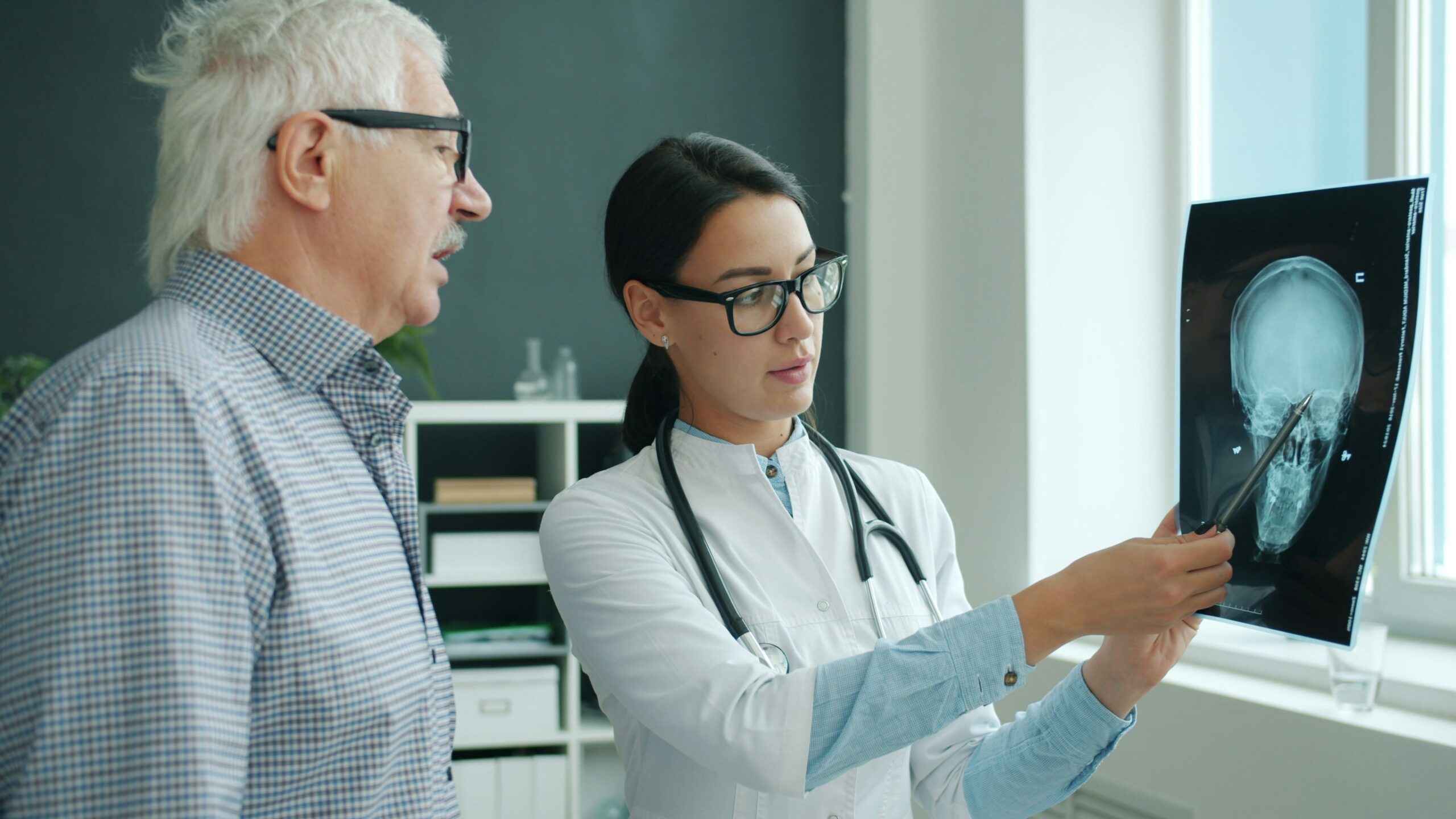
Delivering exceptional patient care requires more than advanced medical technology and modern facilities. The foundation of quality healthcare is the knowledge, judgment, and practical expertise of healthcare professionals. Clinical experience allows physicians, nurses, and other medical staff to recognize patterns, respond effectively to changing conditions, and provide personalized treatment that improves patient outcomes.
As healthcare continues to evolve, experienced clinicians remain one of the most valuable resources in any medical setting. Their ability to combine evidence-based practices with real-world decision-making creates safer environments, enhances patient satisfaction, and strengthens healthcare organizations. By leveraging clinical experience, providers can deliver higher quality care while adapting to new challenges and patient needs.
The Value of Clinical Experience
Clinical experience develops over years of treating diverse patient populations and managing a wide range of medical conditions. While formal education establishes a strong foundation, hands-on experience teaches healthcare professionals how to apply medical knowledge in complex situations. This practical understanding enables clinicians to make timely decisions that benefit patients.
Experienced professionals are also better equipped to recognize subtle warning signs that may not be immediately obvious. Their familiarity with patient behaviors, symptoms, and treatment responses often leads to earlier interventions, reducing complications and improving recovery rates.
Enhancing Patient Safety
Patient safety is one of the most important indicators of healthcare quality. Clinical experience plays a significant role in identifying potential risks before they become serious problems. Healthcare providers with extensive experience are more likely to detect medication interactions, recognize unusual symptoms, and prevent avoidable medical errors.
In addition, experienced teams follow established protocols with confidence while remaining flexible enough to respond to unexpected situations. Their ability to remain calm during emergencies helps maintain patient stability and ensures coordinated care throughout treatment.
Healthcare organizations also benefit from experienced professionals who help develop safer procedures and improve clinical guidelines. Their practical insights support continuous quality improvement initiatives that reduce risks for future patients.
Strengthening Clinical Decision Making
Healthcare decisions often involve balancing multiple factors, including patient history, diagnostic results, treatment options, and individual preferences. Clinical experience allows providers to evaluate these variables efficiently while considering each patient’s unique circumstances.
Experienced clinicians understand that no two patients are exactly alike. They use their knowledge to customize treatment plans rather than relying solely on standardized approaches. This individualized care often leads to better outcomes and increased patient satisfaction.
Their confidence in clinical judgment also supports collaboration among multidisciplinary teams. By sharing practical insights, experienced professionals help colleagues reach informed decisions that benefit patients across different specialties.
Improving Communication With Patients
Effective communication is essential for building trust between patients and healthcare providers. Clinical experience helps professionals explain medical conditions, treatment plans, and potential risks in language that patients can easily understand.
Patients are more likely to follow treatment recommendations when they feel heard and respected. Experienced providers recognize emotional concerns, answer questions with empathy, and encourage active participation in healthcare decisions. This stronger relationship improves treatment adherence and overall patient experiences.
Clear communication also extends to family members and caregivers. By providing accurate information and realistic expectations, clinicians create a supportive environment that contributes to better long-term health outcomes.
Supporting Team Collaboration
High-quality healthcare depends on effective teamwork. Hospitals and healthcare facilities bring together physicians, nurses, pharmacists, therapists, and other specialists who must coordinate their efforts to provide comprehensive care.
Experienced clinicians often serve as mentors and leaders within these teams. Their practical knowledge helps newer professionals develop confidence while encouraging consistent standards of care across departments. This collaborative environment reduces misunderstandings and promotes efficient patient management.
Strong teamwork also improves communication during patient transitions, including admissions, transfers, and discharge planning. Better coordination minimizes delays, reduces errors, and supports continuity of care throughout the patient’s healthcare journey.
Driving Continuous Quality Improvement
Healthcare organizations continuously seek ways to improve patient outcomes, reduce costs, and enhance operational efficiency. Clinical experience provides valuable insights that support these improvement efforts by identifying areas where processes can be refined.
Experienced healthcare professionals contribute to quality improvement programs by reviewing outcomes, evaluating treatment effectiveness, and recommending practical solutions. Their firsthand observations often reveal opportunities that may not appear in statistical reports alone.
Combining clinical expertise with performance data allows organizations to develop more effective strategies for patient care. This balanced approach encourages innovation while maintaining a strong focus on safety and quality.
Integrating Experience With Modern Technology
Technology has transformed healthcare through electronic health records, artificial intelligence, telemedicine, and advanced diagnostic tools. While these innovations improve efficiency, they work best when guided by experienced clinical professionals.
Clinical experience enables healthcare providers to interpret technological findings within the broader context of patient care. Rather than relying solely on automated systems, experienced clinicians combine digital information with physical assessments and professional judgment.
This integration creates a balanced healthcare model that benefits both patients and providers. Technology enhances clinical capabilities, while human expertise ensures compassionate, accurate, and personalized care remains the priority.
Preparing Future Healthcare Professionals
Passing clinical knowledge to the next generation is essential for maintaining healthcare excellence. Experienced practitioners play a vital role in mentoring students, residents, and newly licensed professionals by sharing practical skills that cannot be fully learned in textbooks.
Mentorship helps emerging healthcare workers develop confidence, improve decision-making, and understand the importance of patient-centered care. Real-world guidance prepares them to manage complex situations with professionalism and compassion.
Healthcare organizations that encourage mentorship create stronger workforces and maintain consistent standards of care. Investing in professional development ensures future clinicians continue delivering high-quality healthcare while adapting to evolving medical practices.
Patient care excellence depends on combining medical knowledge, practical experience, and compassionate communication. Clinical experience strengthens decision-making, improves patient safety, supports teamwork, and enhances the overall quality of healthcare services. It also helps organizations embrace innovation without losing sight of individualized patient care.
As healthcare continues to advance, experienced clinicians will remain essential to achieving better outcomes and higher patient satisfaction. By leveraging clinical expertise alongside modern technology and continuous learning, healthcare organizations can provide safe, effective, and patient-centered care that meets the highest standards of quality.