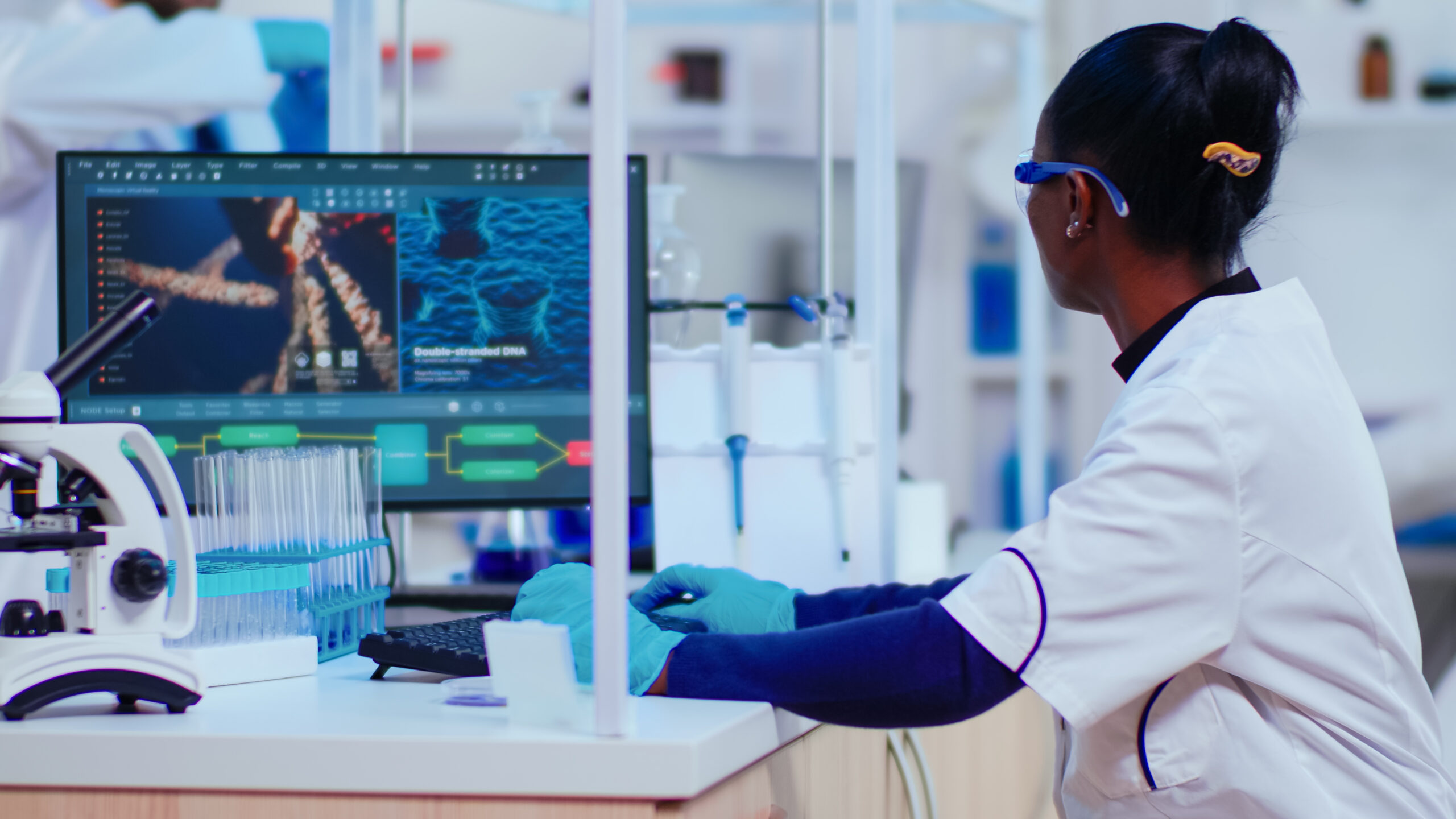
Oncology research continues to change the global fight against cancer, and it brings fresh hope to millions of patients. Scientists collect new data every day, and they use it to build stronger treatment strategies. As more teams collaborate worldwide, discoveries accelerate, and their impact broadens. Because of this steady progress, patients now gain access to treatments that once seemed impossible.
Although cancer still challenges healthcare systems, oncology research pushes the boundaries of what medicine can achieve. Many experts now believe that early diagnosis and targeted care offer the brightest path forward. As researchers share their findings, hospitals and clinics adjust their approaches to improve outcomes. This ongoing shift keeps the momentum strong and creates new opportunities for innovation.
Early Detection as the Foundation of Progress
Early detection remains one of the strongest tools in modern oncology research. When cancer appears at an early stage, patients respond better to treatment, and doctors have more options to choose from. Although screening programs continue to grow, many communities still lack access. Because of this gap, researchers work hard to improve accuracy and reduce costs so that more people can benefit.
New technologies now help specialists detect cancer through simple blood tests, imaging tools, or genetic markers. Although these tools are still developing, they show incredible potential. Through ongoing research, doctors aim to predict cancer before symptoms appear. Therefore, early detection remains a powerful focus area within oncology research.
Targeted Therapies Changing Cancer Treatment
Targeted therapies have transformed treatment, and they continue to gain importance as oncology research moves forward. These therapies look for specific changes in cancer cells and attack only the harmful ones. Since the treatment is more precise, patients experience fewer side effects and enjoy better results. As scientists discover new genetic markers, they develop therapies that work for groups that previously did not respond.
Researchers also test combination treatments that combine targeted drugs with traditional methods such as chemotherapy or radiation. These combinations can strengthen the overall response and, in many cases, improve survival rates. Because the field progresses quickly, targeted therapies now enter standard care for many cancer types. This shift highlights the power of ongoing oncology research and the promise it holds for the future.
Immunotherapy and the Power of the Immune System
Immunotherapy teaches the body to recognize and fight cancer, and it is one of the most exciting areas of oncology research. Treatments such as checkpoint inhibitors or CAR T-cell therapy already help thousands of patients. Although these therapies do not work for everyone, they show dramatic success in certain cancer groups. Many patients who once had limited options now live longer because their immune system can target cancer more effectively.
Researchers study how the immune system reacts to different tumor environments. With this information, they design therapies that overcome resistance and strengthen the body’s natural defenses. Although the field still grows, the results inspire great confidence. As new trials launch worldwide, immunotherapy remains a major force in modern oncology research.
Precision Medicine: Bringing Personalized Care
Precision medicine relies on understanding each patient’s genetic makeup, and it plays a major role in the future of oncology research. Doctors study how genes influence cancer behavior, and they match treatments to a patient’s unique profile. Since tumors behave differently, this approach enables specialists to create more accurate and effective plans. As a result, patients receive care that fits their needs rather than a one-size-fits-all solution.
In addition, precision medicine helps scientists predict which treatments will likely work before therapy begins. This reduces trial-and-error and improves patient outcomes. Although the method requires advanced technology, researchers continue to improve access to it. Therefore, precision medicine stands as a critical driver of modern oncology research and continues to shape the future of cancer care.
Technology Driving New Discoveries
Technology plays an essential role in today’s oncology research. Artificial intelligence, robotics, and advanced imaging tools help experts analyze cancer more quickly and accurately. AI systems can scan thousands of images or DNA sequences in minutes and highlight patterns that humans may miss. Because of this support, doctors make decisions with more confidence and treat patients with updated insight.
Moreover, digital health tools let patients track symptoms from home. These tools send real-time updates to doctors and help catch complications earlier. As technology improves, healthcare teams share data faster and learn from global patterns. This digital shift strengthens oncology research, and it opens new pathways to breakthrough discoveries.
The Road Ahead for Cancer Care
The future of cancer care looks brighter as oncology research continues to evolve. Scientists test new drugs, explore genetic links, and develop advanced tools that support patients through treatment. Although challenges remain, the combined progress creates strong optimism. Many experts believe that the upcoming years will deliver new therapies that make cancer far more manageable.
Continuous collaboration between medical teams, governments, and global organizations will also guide the road ahead. When groups work together, research advances more quickly. As new results appear, healthcare systems adjust and bring hope to communities everywhere. Therefore, the journey ahead promises new lifesaving opportunities fueled by the steady growth of oncology research.