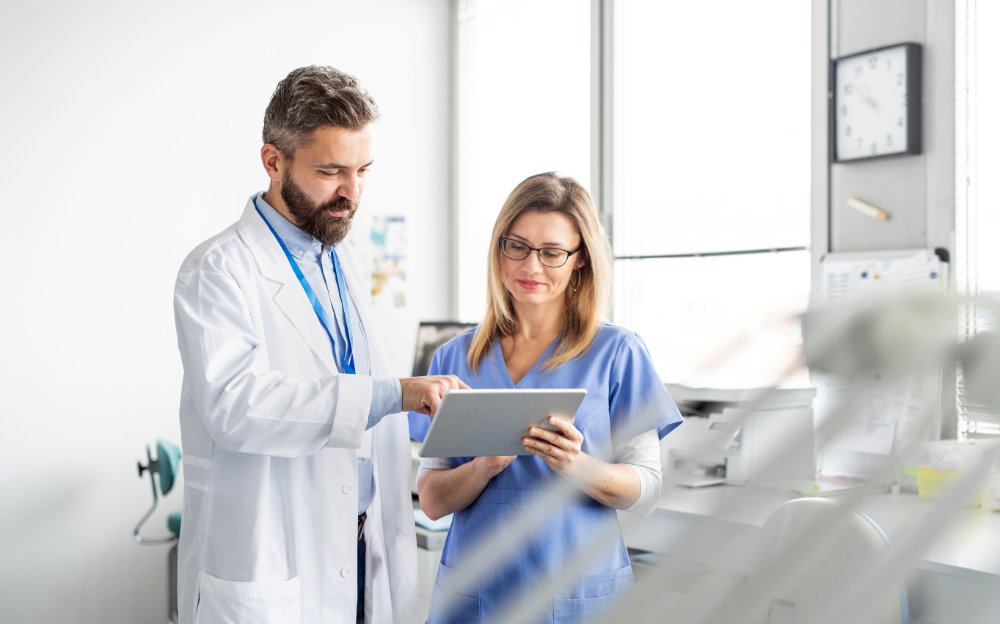
Medicine continues to evolve through research, technology, and improved patient care. Over the past two decades, clinical experience has played an important role in shaping modern healthcare practices. Years of treating patients, understanding medical conditions, and evaluating treatment outcomes have provided valuable lessons for healthcare professionals. These experiences have also helped identify gaps in traditional care and opportunities for better medical solutions. As healthcare enters a new era, the combination of clinical insight, medical innovation, and patient-centered treatment will continue to influence how providers deliver care and improve health outcomes.
Learning From Two Decades of Clinical Experience
Twenty years of clinical experience can offer valuable knowledge about patient needs, treatment challenges, and changes in medical practice. Healthcare professionals develop a deeper understanding of how different conditions affect individuals over time. Direct patient interactions also help providers recognize patterns, evaluate symptoms, and make informed treatment decisions. These lessons support better clinical judgment and encourage medical professionals to consider each patient’s circumstances before recommending care.
Clinical experience also highlights the importance of adapting to changing healthcare needs. Medical conditions can affect patients differently, even when they share similar symptoms or diagnoses. By learning from previous cases, healthcare providers can improve their ability to assess individual situations. This practical knowledge supports more accurate evaluations, thoughtful treatment planning, and stronger patient relationships. It also creates a foundation for continued professional development.
How Medical Advancements Are Changing Patient Care
Medical advancements have transformed the way healthcare professionals diagnose and treat various conditions. Improved imaging systems, diagnostic equipment, and laboratory testing allow providers to identify health concerns with greater accuracy. These developments can support earlier diagnosis and help medical teams select appropriate treatment options. As technology continues to improve, healthcare facilities can use better tools to understand patient conditions and make more informed decisions.
Digital healthcare solutions have also changed how patients access medical services. Telehealth appointments, electronic health records, and remote monitoring tools make communication between patients and providers more convenient. These technologies can help individuals receive medical guidance without always visiting a healthcare facility. They also allow providers to review important health information and monitor changes over time. When combined with professional judgment, digital solutions can make patient care more accessible and organized.
The Importance of Personalized Treatment Approaches
Every patient has different health needs, medical histories, and personal circumstances. A treatment that works well for one individual may not produce the same results for another. This is why personalized healthcare has become an important part of modern medical practice. Providers must consider factors such as age, lifestyle, existing conditions, and treatment preferences when developing care plans. A personalized approach helps ensure that medical recommendations reflect the patient’s overall health.
Clinical experience supports this approach by helping providers understand how individual patients respond to different treatments. Healthcare professionals can use their knowledge of previous cases alongside current medical evidence to evaluate available options. Regular follow-up appointments also help identify progress and address potential concerns. By maintaining open communication, providers can adjust treatment plans when necessary and encourage patients to participate actively in their healthcare decisions.
Connecting Clinical Knowledge With Medical Research
Medical research provides the scientific foundation for improving healthcare practices. New studies help professionals understand diseases, evaluate treatment methods, and identify opportunities for better patient outcomes. However, research becomes especially valuable when healthcare providers can connect scientific findings with practical clinical experience. This combination helps medical teams understand how discoveries may apply to real patient situations.
Experienced professionals can also recognize areas where further research is needed. Daily clinical practice often reveals treatment challenges and unanswered questions that deserve closer investigation. Sharing these observations with researchers can support the development of more effective medical approaches. Collaboration between healthcare providers, research institutions, and medical organizations can strengthen evidence-based care. This relationship helps transform practical knowledge into meaningful improvements across the healthcare industry.
Improving Communication and Patient Relationships
Strong communication is essential for delivering effective medical care. Patients need clear explanations about their conditions, treatment options, and expected outcomes. Healthcare professionals with years of clinical experience often understand the importance of listening carefully and addressing individual concerns. Taking time to explain medical information can help patients feel more confident about their decisions and reduce confusion during treatment.
Trust also plays an important role in successful healthcare relationships. When patients feel respected and understood, they may become more comfortable discussing symptoms and sharing important medical information. This communication allows providers to make better-informed decisions and identify concerns that might otherwise go unnoticed. As medicine advances, maintaining meaningful patient relationships will remain just as important as adopting new medical technologies.
Preparing for the Next Era of Medicine
The future of medicine will likely involve greater use of artificial intelligence, advanced diagnostic tools, and data-driven healthcare solutions. These developments can help providers recognize potential health risks, organize medical information, and support treatment decisions. Artificial intelligence may also help medical teams identify patterns in large amounts of health data. However, technology should support clinical judgment rather than replace the knowledge and responsibility of healthcare professionals.
Preparing for these changes requires continuous learning and professional development. Medical professionals must stay informed about new research, treatment guidelines, and healthcare technologies. They must also understand the limitations of emerging tools and use them responsibly. Combining technological progress with years of clinical insight can create stronger healthcare systems. This balanced approach can support accurate diagnosis, efficient treatment, and improved patient experiences.
Building a Better Future Through Clinical Insight
Two decades of medical experience demonstrate that progress in healthcare depends on both knowledge and adaptability. Clinical lessons provide a valuable understanding of patient needs, while research and technology create new opportunities to improve treatment. Healthcare professionals who combine these elements can make thoughtful decisions and respond more effectively to changing medical challenges. Their experience also helps guide future generations of providers toward responsible and patient-focused medical practices.
The next era of medicine will bring new possibilities for prevention, diagnosis, and treatment. Yet the foundation of effective healthcare will remain centered on understanding patients and meeting their needs. By combining clinical expertise, medical innovation, evidence-based practices, and open communication, healthcare professionals can help create a more responsive medical environment. These efforts can contribute to better health outcomes and a stronger future for patient care.